
Week of 2/1: Black History Month
Friends,
This Black History Month is an important one. The Trump administration has spent the last year trying to erase the contributions of Black Americans. They want to play down the United States' sordid history of slavery and roll back the rights and protections that were won during the Civil Rights era.
They have empowered a lawless, masked "police" force to target people of color to harass, detain, and deport, regardless of citizenship status. It is white supremacy dressed up as "immigration control," and it is propaganda.
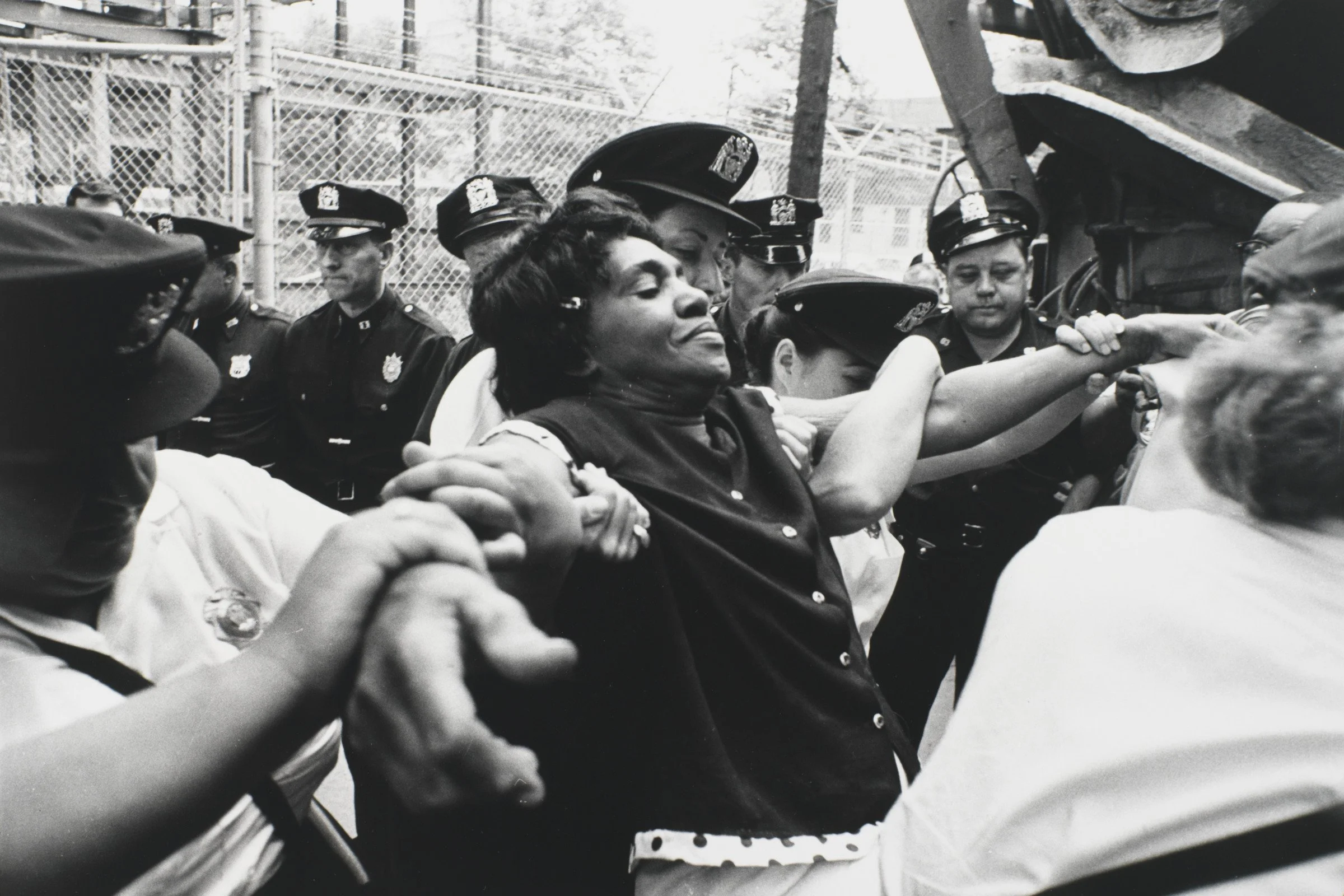
A demonstrator protesting unfiar hiring practices is arrested at a construction site. Downstate Medical Center, Brooklyn, New York. 1963. Bob Adelman. https://www.bobadelman.net/galleries/themovement/#album-28
This Black History Month we must look to Civil Rights leaders and learn. What we see today doesn't look that different from what we see in our history books. History is cyclical; so is oppression.
“If you're not careful, the newspapers will have you hating the people who are being oppressed, and loving the people who are doing the oppressing.” - Malcolm X
I want to highlight a few shining examples of leadership we can learn from.
Alice Dunbar-Nelson was a nationally recognized poet, writer, and journalist of the Harlem Renaissance and a leading voice for racial justice, women’s rights, and education. She taught English at Howard High School and created a community of educational excellence. She published the Wilmington Advocate, a progressive newspaper focusing on our Black community.
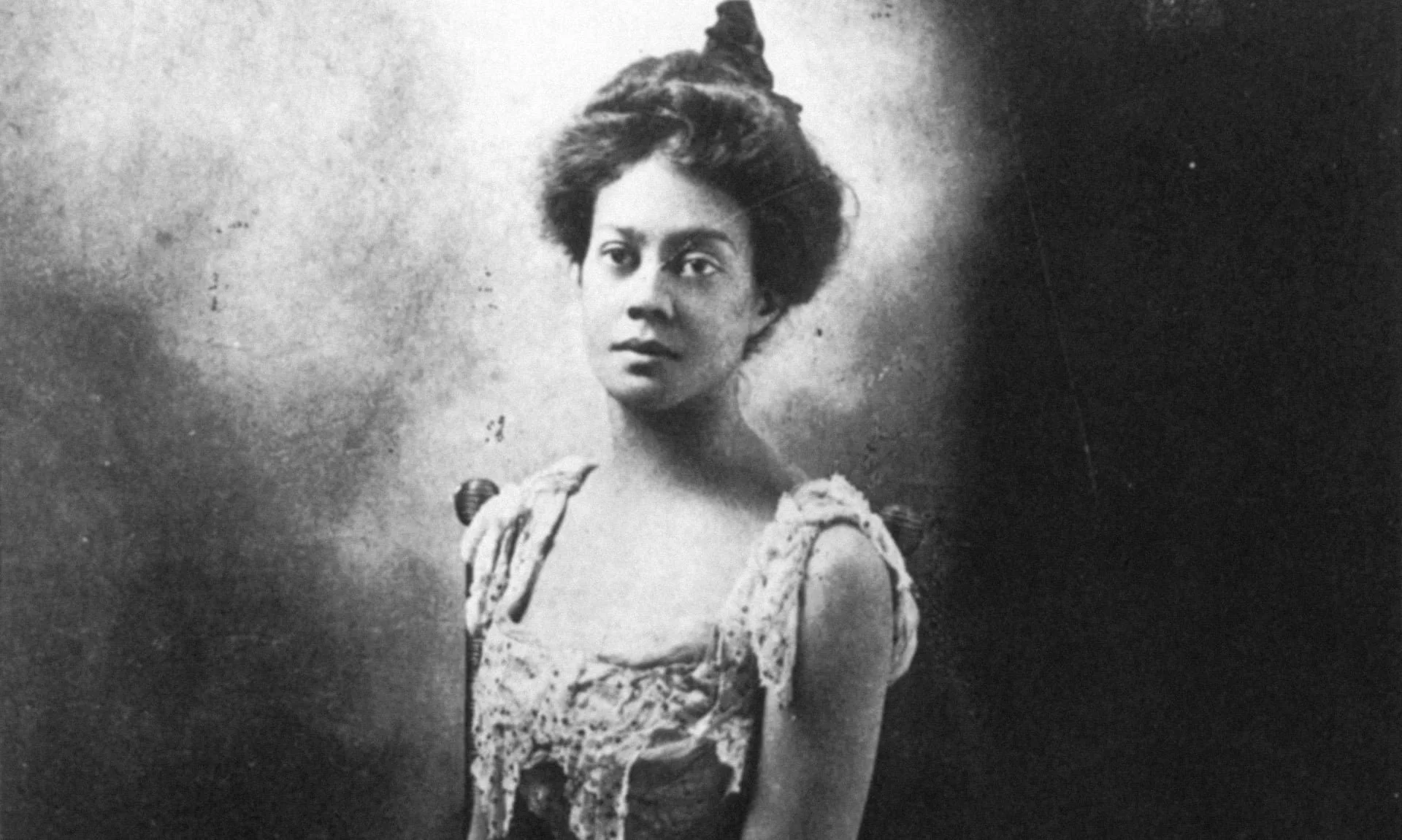
A portrait of Alice Ruth Moore Dunbar-Nelson (1875-1935).
Louis L. Redding Sr., was Delaware’s first Black attorney and a pioneering civil rights lawyer whose career was dedicated to dismantling segregation in our schools. He was part of NAACPs legal team that argued Brown v. Board of Education at the Supreme Court.
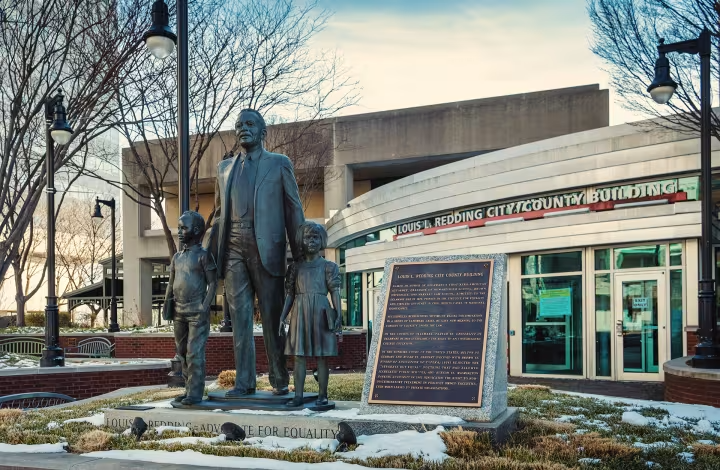
Louis L. Redding Statue in Wilmington, Delaware
Jane Mitchell was the first African American nurse to work in a Delaware hospital. She became the first Black director of nursing at Delaware Psychiatric Center, and the first Black member of our Board of Nursing. The Mitchell building at DPC is named after her.
Her husband, Littleton Mitchell, was a member of the Tuskegee Airmen and was a tireless civil rights leader and community organizer. As the president of Delaware’s NAACP for thirty years, he fought against segregation and discrimination in housing, education, and employment. The Jane and Littleton Mitchell Center for African American Heritage is named in their memory.

Considering the state of our world, this Black History Month feels heavy, but it is a chance to celebrate, too. I want to spend this month celebrating our Black brothers and sisters, the impact, the history, the community, the perspectives, the culture—everything. We should celebrate; we are all just neighbors.
Until next time,
Dr. Rob Bahnsen
Candidate for State Representative, District 12